Common Errors Associated with Deleting Similar Photos
Deleting similar photos can lead to unintended loss of cherished memories, as users may accidentally remove the best shot although retaining lesser-quality images instead.

One of the most significant mistakes is moving too quickly through the decision-making process. When deleting similar photos, many enthusiasts find themselves rushing to select images for deletion without taking the time to evaluate each one carefully. This haste can result in the loss of valuable memories that may initially appear redundant. For example, two pictures taken in quick succession might capture subtle differences in facial expressions or lighting that can be significant to the context of the event. By not pausing to take into account the unique qualities of each photo, one may delete a shot that tells a richer story or evokes a particular emotion.
Another common blunder is relying solely on automated tools to delete similar photos. Many software purposes forfer algorithms that identify duplicates based on factors like image size, resolution, or visual similarity. Although these tools can be helpful, they are not foolproof. They may overlook images that have sentimental value or mistakenly categorize different but meaningful photos as similar. Therefore, meanwhile technology can assist in the culling process, it is critical for users to engage with their collections actively, ensuring that they maintain control over which images should stay and which should go.
Moreover, emotional attachment often plays a significant role in the decision to delete similar photos. People may find themselves hesitating to part with images that evoke fond memories or represent important milestones. This emotional difficulty is compounded when many photos from a single event or trip are present. It can lead to indecision or the eventual choice to keep too many images, which defeats the primary purpose of decluttering a digital space. A planned method is necessary to balance emotional connections with the practical need for organization, making it indispensable to reflect on what each photo represents before deciding to delete it.
Furthermore, neglecting to create backups before deleting images is another critical mistake. In the digital age, where storage is plentiful and inexpensive, it is wise to maintain a complete backup of all photos before commencing on the task of deleting similar photos. A simple error or moment of regret can lead to the permanent loss of images that may have been valuable in ways not initially recognized. Backing up photos ensures that there is a safety net in place, allowing users to restore any images they may later wish they had kept.
Additionally, failing to establish a consistent criteria for what qualifies as "similar" can lead to confusion and inconsistency. Individualists may have different thresholds for what they consider a duplicate, making the process less effective overall. Without a clear insight of the parameters that define similarity, it can be challenging to make informed decisions during the deletion process. Establishing a set of guidelines ahead of time can help streamline the workflow and simplify the task, facilitating a more organized and effective approach to managing a photo collection.
Lastly, one must consider the long-term implications of deleting similar photos. The digital world is constantly evolving, and what may seem like an insignificant photo today could gain importance in the future. There may be trends or personal interests that shift over time, leading someone to appreciate a once-dismissed image in a new light. Therefore, it's crucial to approach the process of deleting similar photos with an awareness of future possibilities and the potential for change. Keeping a few images that might not seem valuable at the moment can at the core lead to a richer archive of memories down the line.
Key Differences in Duplicate Photo Finder Software for PC
Duplicate photo finders for PC differ in their algorithms, user interfaces, and features, affecting the speed and accuracy of finding duplicate images on your system.

The first notable difference among various duplicate photo finder for PC applications lies in their scanning algorithms. Some programs utilize advanced algorithms that can detect duplicates based not only on file name but also on image content. This means that whether or not two photos have different names or are taken in slightly different resolutions, the software can still identify them as duplicates. Conversely, more basic programs may only check for identical file names or sizes, which might not be sufficient for those who frequently edit their photos or use multiple devices to transfer images.
Another vital aspect to think about is user interface design. Some duplicate photo finder for PC applications offer a more streamlined and intuitive experience, which can be indispensable for users who may not be tech-savvy. These user-friendly interfaces include drag-and-drop features, clear navigation, and simple instructions. On the other hand, more complex applications may provide a wealth of features and customization options, but can be overwhelming for the average user. Therefore, when selecting a duplicate photo finder, it's important to evaluate how comfortable you are with traversing through different software interfaces.
Additionally, the speed of the scanning process can vary significantly between different duplicate photo finder for PC programs. Some software can quickly scan entire folders or drives and return results in a matter of seconds, even though others might take longer, especially if they are processing high-resolution images or vast libraries. Speed is an necessary factor for users who have large photo collections and need efficient solutions to declutter their storage without spending an excessive amount of time on the task.
Moreover, the effectiveness of the duplicate removal feature is another distinguishing characteristic. Some applications allow users to preview duplicates before final removal, enabling them to make informed decisions. This feature can be particularly helpful for photographers or experts who may have multiple similar photos and wish to retain specific versions. Conversely, other programs may remove duplicates automatically without giving users the chance to review the options, which could lead to the accidental deletion of valuable images.
Furthermore, the availability of additional features can set apart various duplicate photo finder for PC applications. Some tools offer extended functionalities such as the ability to recover lost photos, manage non-image files, or integrate with cloud storage systems for backup purposes. These added features can boost user experience and provide greater overall value. Users should evaluate their specific requirements to determine whether they would benefit from these additional capabilities or if they simply need a straightforward tool focused solely on identifying and removing duplicate photos.
Pricing models also differ widely among duplicate photo finder for PC options. Even though some programs are available for free and provide basic functionality, others may require a one-time purchase or a subscription fee for full access to all features. It's essential to weigh the cost against the rewards offered by each application, as a more expensive tool may not necessarily guarantee better performance or results. Free trials can also be beneficial for assessing the software's capabilities before committing to a purchase, allowing users to make more informed decisions.
Important Considerations for Finding Identical Photos
When finding the same photos, it's important to reflect on metadata like dates and locations, as this can help distinguish between images that may seem identical at first glance.
The first step in perfecting the art of photo organization is comprehension the various methods available for identifying duplicate images. Software programs and applications designed for this purpose can analyze image files and detect similarities, even when the images have been resized or modified. These tools typically work by examining the metadata and pixel data of images, allowing users to find same photos based on visual and technical characteristics. Users must carefully select software that suits their specific needs, as some tools may offer more vigorous features than others, such as batch processing capabilities or cloud integration.
Moreover, the growing prevalence of artificial intelligence in photo management has introduced a new ever-changing to the process of finding duplicate images. AI-powered solutions can remarkably augment the accuracy of identifying duplicates by learning from user behavior and preferences. These advanced algorithms can identify not just exact duplicates but also near duplicates, which can be particularly useful when working with images captured in different resolutions or formats. By employing AI technology, users can save significant time and effort in managing their photo libraries, thus enabling them to focus on more creative pursuits like photography or content creation.
Another noteworthy aspect of finding same photos is the importance of regular maintenance and organization of one's digital library. It would be beneficial for users to routinely review their photo collections to identify and eliminate duplicates as they accumulate. Regular audits can prevent the gradual buildup of unnecessary files that take up valuable storage space. By establishing a consistent routine for photo management, users can make certain that their collections remain organized, allowing for quick access to their favorite memories and images. This habit not only improves efficiency but also amplifies the overall user experience when browsing through large collections.
Users also need to contemplate the potential emotional impact of duplicate photos on their personal collections. Often, duplicates may evoke memories of similar events or moments, making the decision to remove them more complicated than simply deleting files. Therefore, it's fundamental to approach the process of finding same photos with care and consideration. For some, viewing duplicates can lead to nostalgia and reflection, whereas for others, it might feel overwhelming. Striking a balance between organization and emotional attachment is crucial, and users should take their time to assess which images hold particular significance to them.
Furthermore, in the context of social media, the challenge of finding same photos becomes even more pronounced. Many users tend to share images across multiple platforms, leading to duplicate uploads. This not only clutters personal profiles but can also lead to confusion among followers. Grasping how to effectively manage these duplicates—whether through selective sharing, deletion, or archiving—can enrich a user's online presence and guarantee that their digital footprint is curated and reflects their best work. Social media platforms are starting to introduce features to help identify duplicate posts, but users should also take the initiative to manage their content proactively.
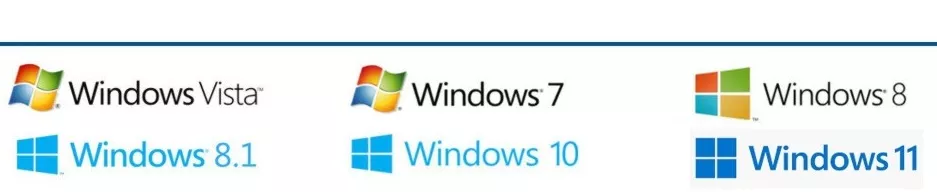
Applications of the Best Duplicate Photo Finder for Windows 11
The best duplicate photo finder for Windows 11 boosts organization by efficiently identifying and removing duplicates, thus optimizing storage space and improving file management.
One of the primary uses of the best duplicate photo finder Windows 11 is to save storage space. With the growing sizes of photos, especially those taken in high resolution, duplicates can quickly consume valuable storage. By utilizing this software, users can easily scan their libraries and identify copies of images that may not be necessary. This process not only frees up space on the hard drive but also improves the overall performance of the system. A decluttered photo library can lead to faster retrieval times and improved efficiency when searching for specific images.
Another significant benefit of employing the best duplicate photo finder Windows 11 is strengthening organization within your photo collection. Many users struggle to keep their images sorted, leading to confusion and frustration when trying to locate specific photos. This software can sort through folders, albums, and libraries to present users with duplicate images, making it easy to decide which ones to keep and which to delete. This organizational capability ensures that users have a well-structured digital workspace that allows for quick access to their treasured memories without the hassle of sifting through duplicates.
Moreover, the best duplicate photo finder Windows 11 can also assist in maintaining the quality of your photo collection. Often, duplicates are not just copies; they can also be versions of images taken at different times or with different settings. By using the software, users can compare these images and determine which versions are of higher quality or more aesthetically pleasing. This process not only helps in removing unwanted duplicates but also ensures that the best versions of photos are retained, leading to a curated collection that reflects the user's taste and preferences.
For enthusiasts and professionals alike, the best duplicate photo finder Windows 11 can be an invaluable tool for photographers who aim to keep their portfolios in top shape. Photographers often take multiple shots of the same scene to capture the perfect moment. However, this practice can result in a large number of similar images stored on their devices. The software simplifies the culling process by identifying which images are redundant, enabling photographers to focus on editing and showcasing their best work without being bogged down by excessive files.
In addition to personal use, businesses can greatly benefit from using the best duplicate photo finder Windows 11. Companies that rely on visual content for marketing, branding, or internal communication may accumulate a vast array of images over time. Duplicate files can lead to confusion and inefficiencies, especially when teams are collaborating on projects. By putting into practice this software, businesses can streamline their visual assets, ensuring that all team members are working with the most relevant and up-to-date images, thus boosting productivity and creativity within the team.