Applications of Photo Management Software for Duplicate Image Handling
Photo management software is beneficial for photographers, businesses, and casual users, aiding in organizing, editing, and eliminating duplicate images across various devices.

In the sphere of photography, whether amateur or professional, the management of digital images can become overwhelming. Photographers often capture thousands of images during a single shoot, leading to an inevitable accumulation of duplicates. Photo management software duplicates assist photographers in sorting through their files, enabling them to find the best shots and discard unnecessary copies. By utilizing keyword tagging and advanced search features, this software allows photographers to maintain an organized portfolio, making it easier to present their work for clients or online platforms. The elimination of duplicates not only saves storage space but also improves productivity, allowing photographers to focus on their creative processes rather than file management.
Another significant area that benefits from photo management software duplicates is social media marketing. In an age where visual content drives engagement, businesses are continuously producing and sharing images to connect with their audience. These organizations often generate numerous photographs for campaigns, social media posts, and advertisements, leading to potential duplicates that can clutter their digital assets. Efficient photo management software provides these companies with a way to systematically organize their images, ensuring that only unique and high-quality content is used in their marketing efforts. This not only strengthens brand image but also ensures that social media feeds remain fresh and engaging for followers.
Topic points

- Overview of photo management software in detail designed for handling duplicate images.
- Step-by-step guide for identifying duplicate photos on Windows operating systems.
- Introduction to specialized applications that help manage and organize duplicate photo albums.
- Explanation of the perks of removing duplicate photos from a digital photo library.
- Discussion on how duplicates can impact storage and organization of digital images.
- Suggestions for maintaining a clean and efficient photo library post-duplicate removal.
In the field of e-commerce, where product images play a vital role in attracting customers, the significance of photo management software duplicates cannot be understated. Online retailers rely heavily on high-quality, diverse image presentations to showcase their products. However, as inventory expands, so does the risk of accumulating duplicate product photos. Using dedicated photo management software helps e-commerce businesses maintain a clean and efficient image library. This enables them to quickly access unique product images for updates or marketing campaigns meanwhile improving the overall customer shopping experience. By reducing redundancy, companies can also optimize website performance, further strengthening user engagement.
Educational institutions, particularly those involved in visual arts and media studies, also benefit immensely from photo management software duplicates. Students and faculty often generate a large quantity of visual content for projects, presentations, or portfolios. The capability to manage these assets effectively is critical for educational success. Utilizing software that can handle duplicate images ensures that students can easily locate their work, collaborate on group projects, and create polished final presentations without the frustration of sifting through repetitive files. Furthermore, educators can use this technology to teach students about best practices in digital asset management, preparing them for future careers where this skill is essential.
Nonprofit organizations frequently utilize photo management software duplicates to manage their visual storytelling. These organizations rely on powerful imagery to communicate their mission and attract donors and volunteers. With limited resources, nonprofits cannot afford to waste time sorting through duplicate images. Through utilizing effective photo management solutions, these organizations can streamline their visual content, making it easier to create impactful campaigns. Whether it's for social media outreach, grant applications, or event documentation, having a well-organized digital photo library plays a indispensable role in their operational efficiency and effectiveness.
Real estate professionals also find immense value in photo management software duplicates, as high-quality images are key to showcasing properties. Agents often take numerous photographs of each property to attract potential buyers, which can lead to duplicate images if not managed properly. Utilizing dedicated photo management software allows real estate agents to create a system that categorizes images by property, ensuring that they only use the best photographs in listings and marketing materials. This not only improves the presentation of the properties but also saves considerable time when preparing for showings or listing updates.
Finally, the field of journalism has greatly benefited from advancements in photo management software duplicates. Journalists and media outlets work with vast libraries of visual content, including images from various events, interviews, and press releases. The challenge of handling duplicate images can become a barrier to quick and effective reporting. Through applying photo management software, journalists can maintain a well-organized archive, making it easier to find the right images for accompanying articles or news segments. This not only aids in the timely dissemination of information but also ensures that the visual components of their stories remain compelling and relevant.
Recommended Procedure for Identifying Duplicate Photos on Windows Systems
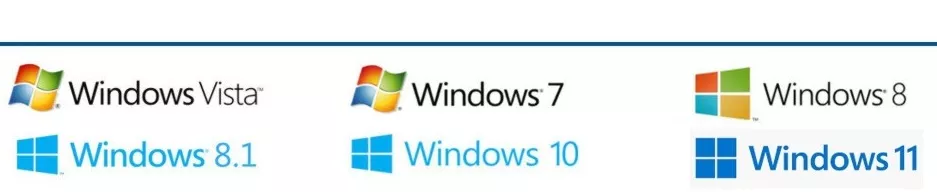
To find duplicate photos on Windows, utilize specialized software that scans directories, compares image attributes, and provides options for review and batch deletion of duplicates.
First, you need to choose the best photo duplicate finder for Windows that suits your needs. There are various applications available, each with its unique features and user interfaces. Some tools specialize in finding duplicates based on filename, even though others analyze the actual content of the images, helping to unshroud duplicates that might have different file names but are visually identical. Look for a program that offers a free trial, allowing you to test its effectiveness before committing to a purchase. Reading user reviews can help you gauge which software is the best photo duplicate finder for Windows.
Once you have selected the software, the next step is to install it on your Windows computer. Installation processes are typically quick and easy, and most applications will guide you through the steps needed to get started. After installation, launch the program and familiarize yourself with its interface. Most duplicate finders will have a straightforward layout, enabling users to quickly access the main functions. You will in most cases see options to scan specific folders or your entire system, making it flexible based on where you store your photos.
The scanning process is a essential part of using the best photo duplicate finder for Windows. To begin, select the folder or directories where your photos are stored. Some users prefer to scan their entire image library, although others may only want to check specific folders where duplicates are likely to occur. Once you have made your selections, initiate the scan. Depending on the size of your photo library, this process can take anywhere from a few minutes to several hours. The software will analyze the images and compile a list of duplicates for you to review.
After the scan is complete, the next step is to review the results. This stage is crucial since it allows you to make informed decisions about which duplicates to keep and which ones to delete. Most programs will display found duplicates side by side, making it easy to compare them visually. You might find that some duplicates are slightly different because of edits or alterations. Carefully consider which images you want to retain, as deleting the wrong files can lead to the loss of treasured memories. Some software even provides options for automatic selection based on criteria like file size or the most recent addition date, which can simplify this process.
Once you have reviewed the duplicates and made your selections, the final step is to remove the unwanted files. The best photo duplicate finder for Windows will typically provide an option to delete or move the selected duplicates to a designated folder for safe keeping. This feature can give users peace of mind, as it prevents accidental permanent deletion. Secure that you double-check your selections before finalizing the removal process, as retrieving deleted files can sometimes be challenging.
Specialized Applications for Managing Duplicate Photo Albums
Special applications for creating duplicate albums allow users to curate personalized collections, ensuring unique images are grouped together whereas efficiently managing storage space.
The first step in tackling the issue of duplicate albums is insight how they accumulate. Quite often, users inadvertently download the same album multiple times owing to a lack of organization or oversight. In some cases, a song might be purchased in different formats, resulting in multiple entries in one's library. Furthermore, streaming services often allow offline downloads, which can lead to unnecessary duplications. Special applications designed to detect and manage these duplicate albums serve as a beacon of hope for those overwhelmed by their collections. They scan the user's library, identify duplicates through various criteria, such as album name, artist, track length, and even file size, and present them in a clear and concise manner.
One of the most appealing features of these applications is their user-friendly interface. Most of them are designed to be accessible to people regardless of their technical expertise. Users can simply upload their music library or point the application to a specific directory, and within moments, the software works its magic. It begins to analyze the files, employing algorithms to detect any duplicate album and offer suggestions for deletion. This streamlined process saves users a significant amount of time, as manually sifting through thousands of songs would be not only tedious but also prone to error. The efficiency of these special applications allows users to regain control of their music libraries quickly.
Moreover, many of these purposes forfer customization options to enrich the user experience. For instance, some users may want to preserve certain duplicates for sentimental reasons, such as different album covers or special editions. The ability to filter results based on user preferences is invaluable in such cases. Advanced settings may allow users to specify which files to keep based on quality, date added, or other relevant factors. This flexibility is a critical aspect that makes special applications particularly appealing, as they strengthen users to make informed decisions about their music collections without sacrificing personal preference.
In addition to decluttering music libraries, these applications come with a host of additional features created to improve the overall listening experience. Some can integrate with popular streaming services, allowing users to synchronize their libraries across platforms fluidly. Others may offer functionalities such as playlist management, tagging tools, or even recommendations based on listening habits. By providing a inclusive suite of solutions, these applications guarantee that users do not merely eliminate duplicate albums but also improve their overall engagement with music.
Security and privacy are also necessary considerations when using special applications to manage music libraries. Users often worry about data breaches or the potential loss of their beloved music files. Reputable applications prioritize user security, employing encryption and backing up libraries to prevent data loss during the duplicate album removal process. This gives users peace of mind as they work to streamline their collections. Knowing that their data is secure allows them to focus on enjoying their music without fear of unintended consequences.
As technology continues to advance, it is likely that we will see even more sophisticated applications emerge in the market. Future iterations may incorporate artificial intelligence and machine learning, enabling them to learn a user's preferences and provide personalized recommendations in real-time. The potential for collaboration with other users in sharing playlists or discovering new music could also evolve, further augmenting the experience. These innovations would undoubtedly uplift the role of special applications in managing duplicate albums and optimizing our musical experiences.
Advantages of Eliminating Duplicate Photos from a Digital Photo Library
Removing duplicate photos from a library augments organization, saves storage space, improves retrieval efficiency, and allows for a more streamlined workflow in photo management.
Another considerable advantage of removing duplicate photos is the improvement in efficiency when browsing through one's photos. A streamlined collection allows users to find their favorite images faster without having to sift through multiple versions of the same photo. This can be particularly useful when trying to consolidate memories for a project, such as a digital album or a slideshow for a special event. Additionally, when preparing for social media sharing or creating prints, having a clean library free of duplicates makes the process smoother and more enjoyable. The joy of going through cherished memories is heightened when the experience is free from unnecessary clutter.
Moreover, the psychological rewards of a tidy photo library should not be overlooked. A disorganized collection can lead to feelings of overwhelm and anxiety, particularly for experts who value organization and simplicity in their digital lives. Remove duplicate photos from photos library can act as a therapeutic exercise, providing a sense of control and accomplishment. This additional emotional benefit boosts users' connection to their memories, allowing them to appreciate each photo more fully rather than feeling buried under a pile of similar images. The act of curating a personal collection can also lead to a greater appreciation for the stories behind each photograph, cultivating a deeper emotional connection to the visual narrative of one's life.
Another key benefit is the potential for improved performance on devices. Excess duplicates can slow down photo applications and make searching for images cumbersome. By opting to remove duplicate photos from photos library, users can improve the speed and performance of their devices, reducing lag times when opening the app or performing searches. This optimization is particularly beneficial for those who regularly use their devices for photography, as it allows for quicker access to the images they need during out and about. In this way, a streamlined library not only saves space but also improves the overall user experience, leading to a more satisfying interaction with one's digital assets.
In addition to performance benefits, removing duplicate photos can also aid in data management and backup processes. When it comes time to back up a photo library, having duplicates can complicate the process, often resulting in larger-than-necessary backups or even missing important images on account of confusion caused by duplicates. By ensuring that the photos library is free of duplicates, users can streamline their backup process, saving both time and effort. This proactive approach to data management can also prevent future issues related to data recovery, as having a clean library simplifies the identification of important images during critical moments.
Furthermore, the act of regularly reviewing and removing duplicate photos can encourage better habits in terms of photography and archiving in the future. Establishing a routine for managing one's photo library can help idealists become more intentional about the photos they take, leading to a greater focus on quality over quantity. This shift can lead to more meaningful photography experiences, as users become more selective about the images they capture. Over time, this can result in a more curated and meaningful collection that truly reflects one's life journey—free from the distractions posed by duplicates.